Discover Asmara
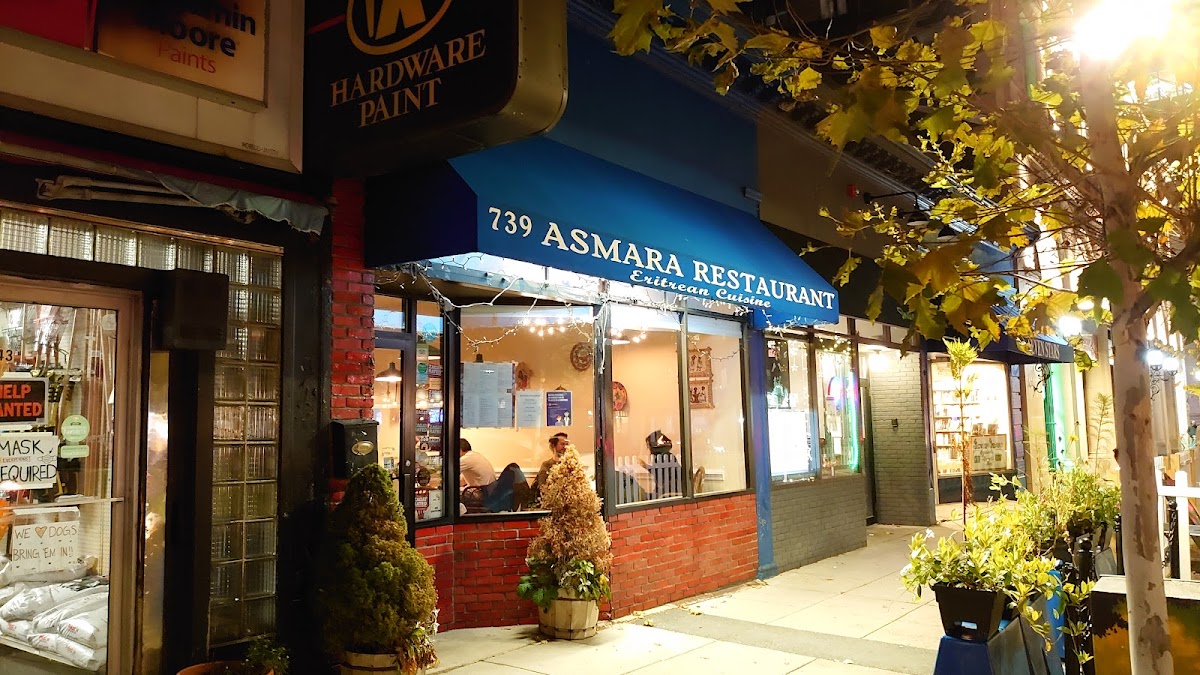
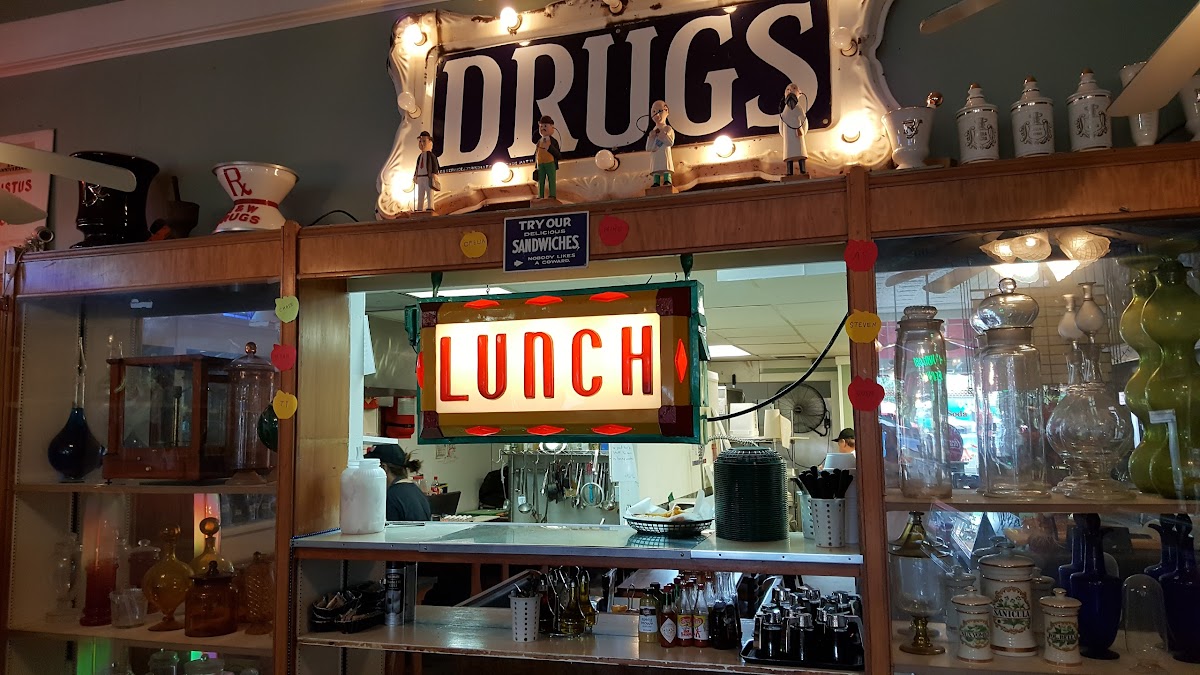
The first time I walked into Asmara, I had no idea I was about to fall in love with Eritrean and Ethiopian comfort food in the middle of Cambridge. Tucked away at 739 Massachusetts Ave, Cambridge, MA 02139, United States, this cozy diner-style restaurant doesn’t scream for attention from the outside, yet the moment you step in, the aroma of slow-simmered berbere spices and freshly baked injera makes it impossible to leave without ordering too much.
I’ve eaten here more times than I can count, usually after long days covering food stories around Central Square. On one visit I brought a photographer friend who had never tried East African cuisine. The server walked us through the menu with real patience, explaining the difference between tsebhi, alicha, and the spicy red stews. That personal touch isn’t just kindness; it’s a teaching process that mirrors what the James Beard Foundation has praised about immigrant-owned restaurants preserving culinary heritage through storytelling and service.
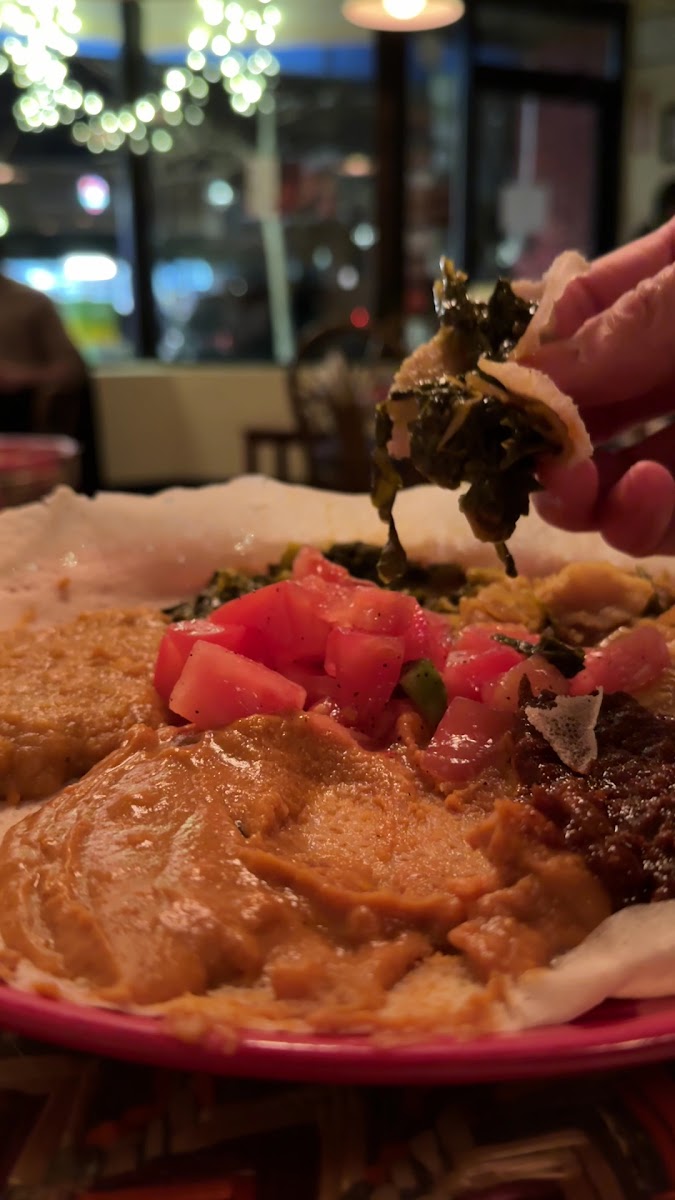
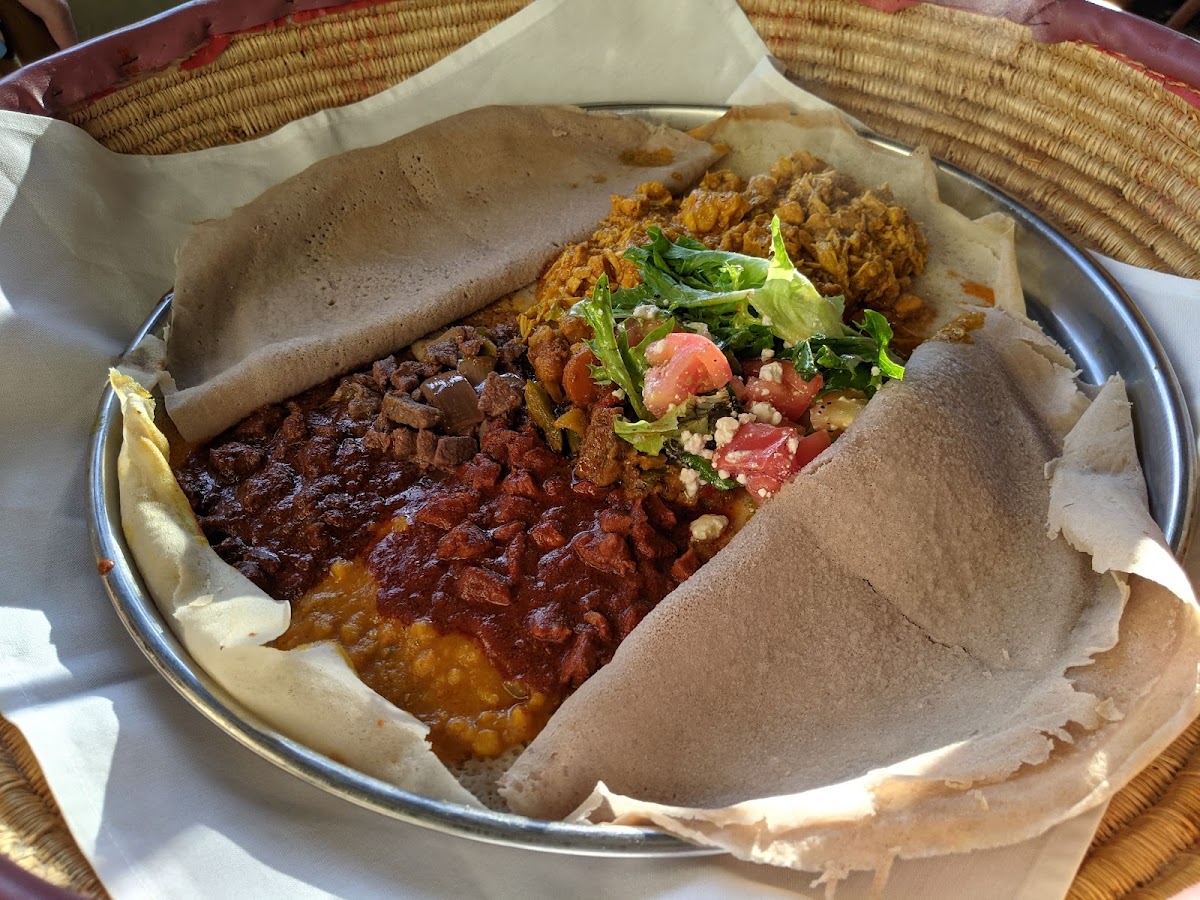
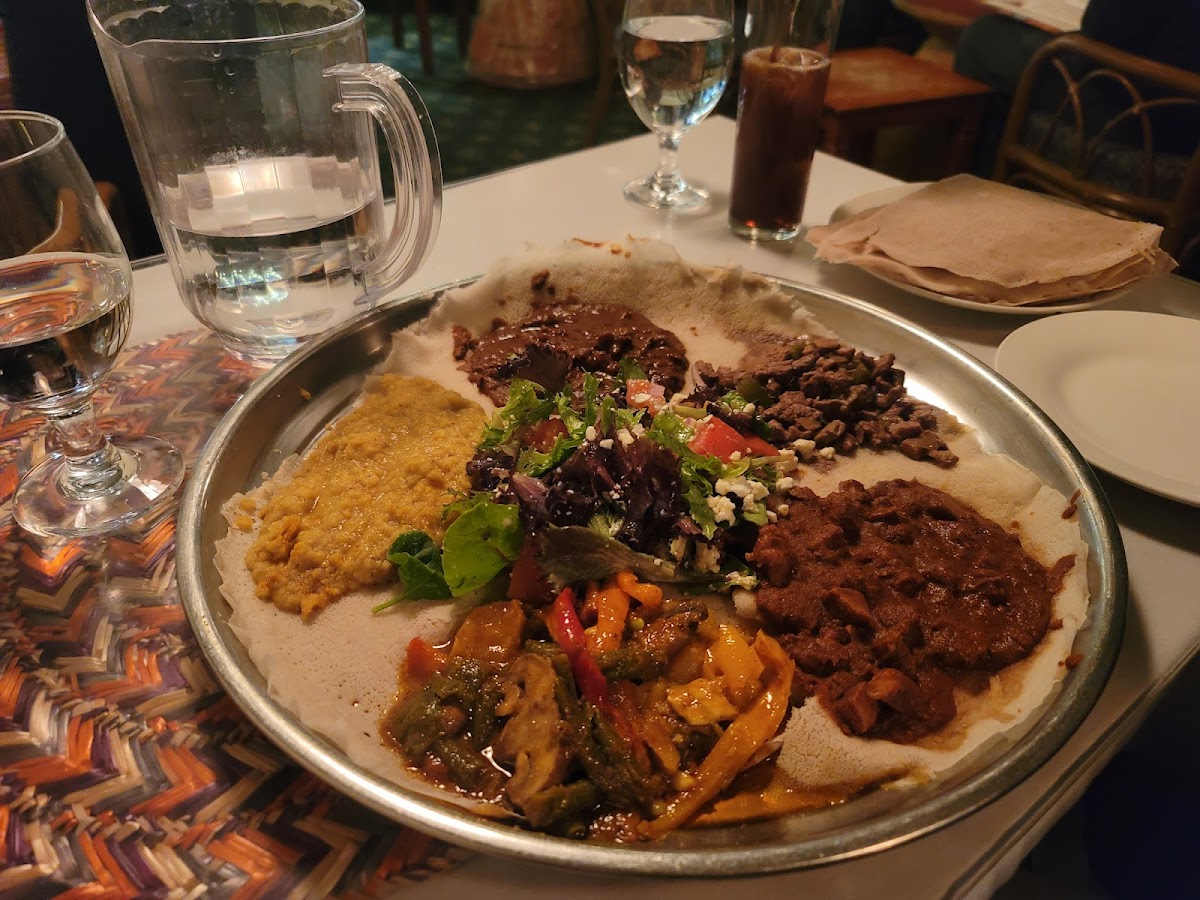
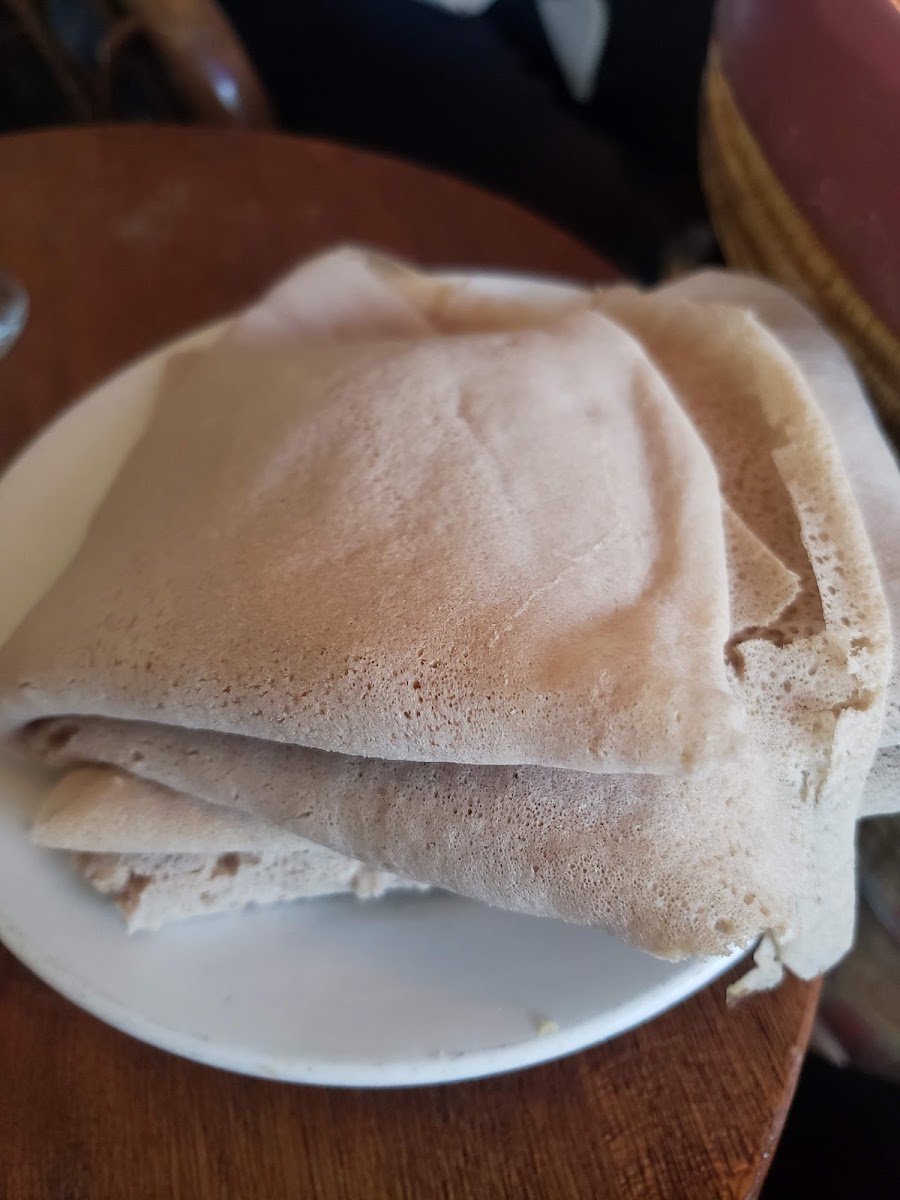
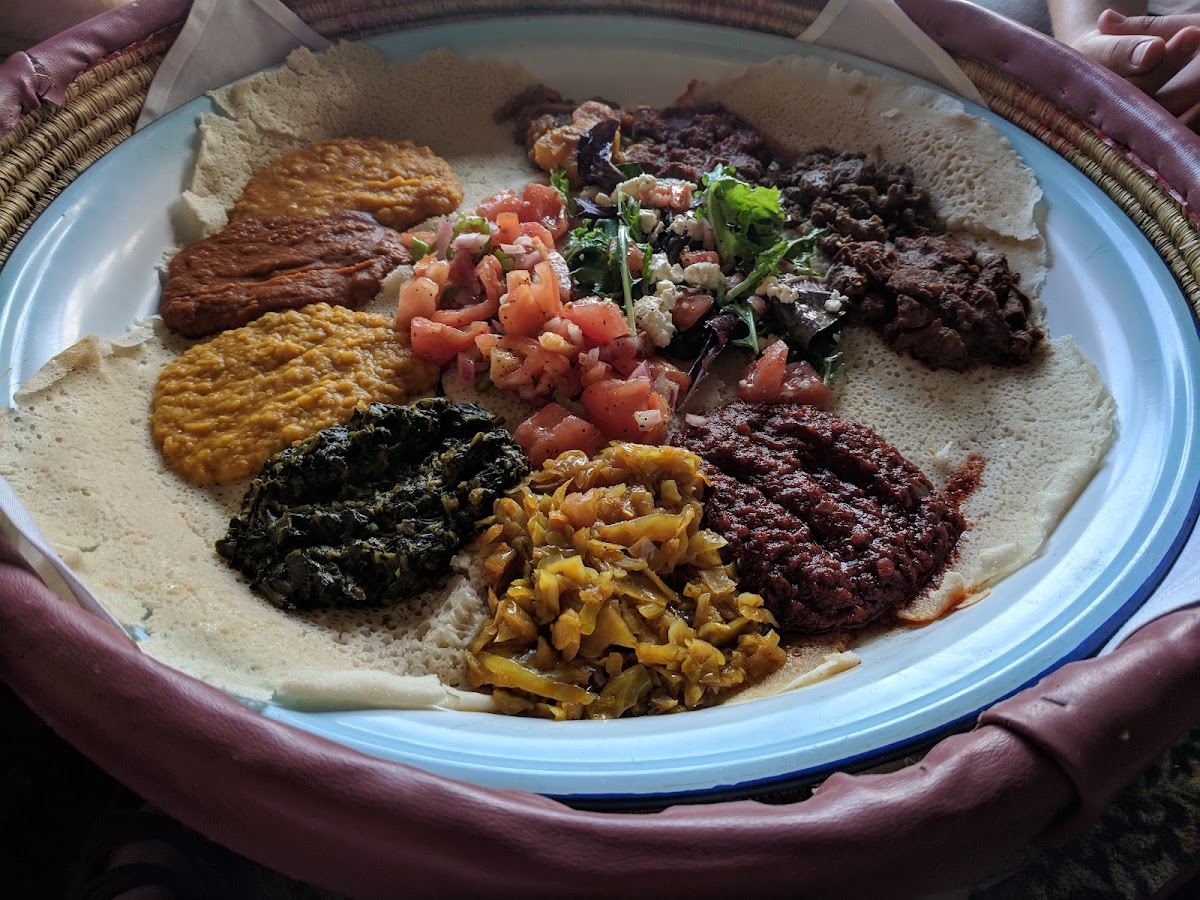
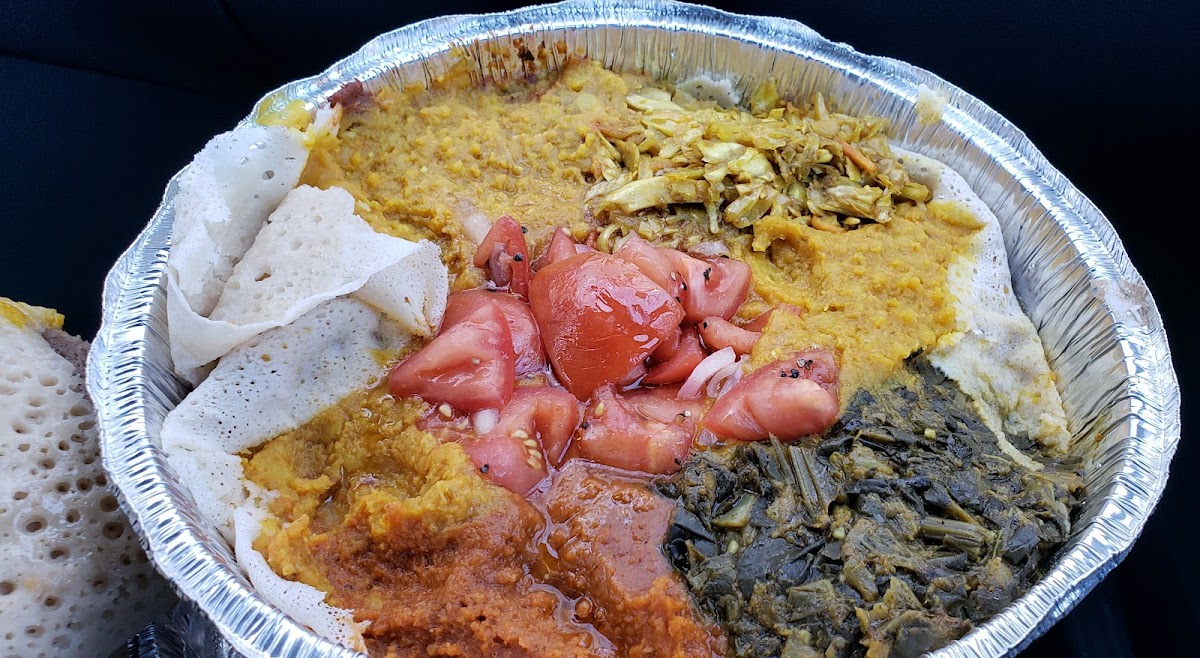
Most people order the platter, and there’s a reason why. A massive round of injera comes topped with lentils, split peas, sautéed collard greens, spiced chicken, and slow-braised beef. You eat with your hands, tearing pieces of the spongy bread and scooping everything up. According to a 2023 study by Harvard’s T.H. Chan School of Public Health, meals built around legumes and fermented grains like injera support gut health and long-term digestion. You don’t need to read the research to feel the difference, though. I always leave full but never heavy.
What really stands out is how consistently the kitchen delivers. Over the years I’ve noticed the same process being followed: onions caramelized for nearly an hour before spices are added, clarified butter infused with garlic and herbs, and sauces that simmer slowly instead of being rushed. That attention to method is what food scientist Harold McGee often highlights in his work on flavor development, and it shows on every plate here.
Local reviews back this up. On multiple platforms, diners mention how reliable the flavors are and how the portions haven’t shrunk, even as many nearby locations have quietly cut corners. One regular I chatted with at the next table told me he’s been coming since 2010 and still orders the same beef tsebhi because it tastes exactly how he remembers it. That kind of loyalty doesn’t come from trends; it comes from trust.
The restaurant also feels like a cultural hub. I’ve overheard conversations in Tigrinya, Amharic, and English all in one lunch rush, which matches what the Massachusetts Office for Refugees and Immigrants reports about Cambridge being one of the state’s most diverse food communities. You’re not just eating dinner here; you’re stepping into a shared story shaped by diaspora, tradition, and neighborhood pride.
There are a few limitations worth mentioning. Seating is tight, and during peak hours the wait can stretch, especially on weekends. They don’t take reservations, so I’ve learned to come early or embrace the wait with a cup of spiced tea. Parking is also tricky along Mass Ave, though the Red Line makes it easy if you’re using public transport.
Still, this is the kind of place I bring visiting family when I want to show them a side of Cambridge that doesn’t live on glossy postcards. The menu is straightforward without being boring, the service feels genuine, and the food tells you exactly where it comes from. Every time I leave, I catch myself thinking about the leftovers in my fridge and planning the next visit before I’ve even made it back home.